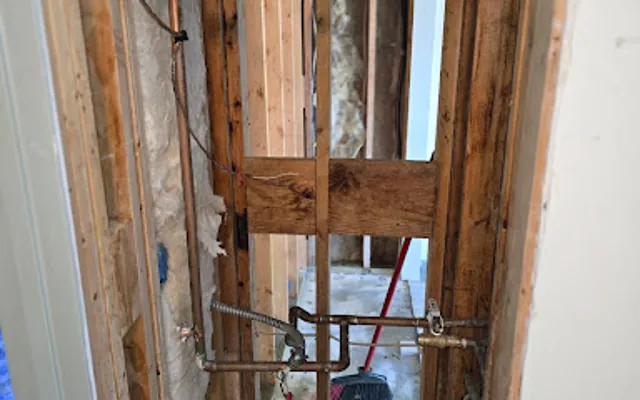
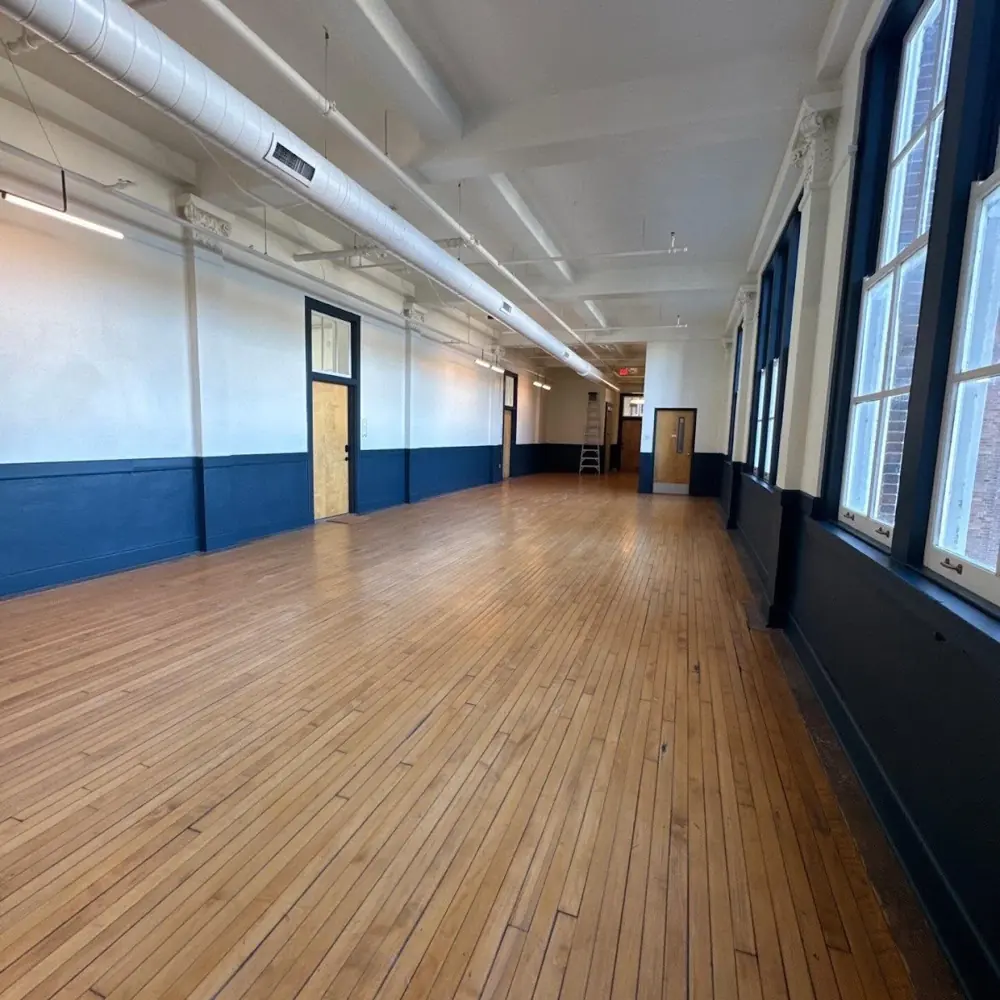
Hard freezes are rare in Dallas, but when one hits, unprotected attic and exterior-wall lines can split and flood a home during the thaw. Local crews respond around the clock to extract the water and dry the structure.

Dispatch answers any hour during and after a freeze event, and a crew helps locate the shutoff and stops water from feeding the split line.
Standing water is extracted from the affected rooms, and the area is contained so meltwater does not migrate into dry parts of the home.
Wet ceilings, walls, and attic insulation around the burst are opened and removed, since water trapped in those cavities will not dry and can grow mold.
Air movers and dehumidifiers dry the framing and finishes, moisture is metered until dry, and readings plus photos are documented for the carrier.

While help is on the way, these first steps, done only where it is safe, limit the damage and protect the insurance claim.
Shut the supply off at the source, or close the home's main valve if the source is not obvious. Stopping the flow limits the damage more than anything else.
Switch off electricity to the affected area, but only if the breaker can be reached without standing in or touching the water.
Get a crew dispatched right away. The sooner extraction and drying begin, the more flooring, drywall, and belongings can be saved.
Take photos and a short video of the water and the affected rooms before anything is moved, so the insurance claim starts strong.
Frozen pipe water damage in Dallas commonly runs from about $2,000 to $8,500, depending on where the line split, how long it ran during the thaw, and how many rooms and levels the water reached. An attic line that burst and dropped through a finished ceiling reaches the higher end, while a quickly isolated wall line sits lower. Sudden freeze-related pipe failures are typically covered by homeowners insurance, and the crew documents readings and photos for the carrier.
Crews reach Dallas, Dallas County, and the surrounding North Texas communities fast, from Oak Cliff, the Bishop Arts District, and Lakewood to Highland Park, University Park, Irving, Richardson, and Garland. See the full list on the areas served across Dallas page.
See all areas servedEvery loss is photographed, measured, and logged from the first visit, so the paperwork holds up with the insurance carrier.
Technicians follow recognized IICRC drying standards and prove it with daily moisture readings on Dallas homes, not guesswork.
Emergency dispatch any hour of the day or night, with a real crew on the way across North Texas, not a callback in the morning.
A real crew dispatched any hour, not a callback in the morning.
Trained technicians following recognized IICRC drying standards.
Truck-mounted, portable, and submersible for any size loss.
The loss is documented and billed to the carrier directly.
Rarely, but it happens. Most winters are mild, yet severe Arctic outbreaks like February 2021 can push temperatures into the teens for days and freeze the attic and exterior-wall lines common in local slab homes.
Often during the thaw. A pipe can freeze and split while still iced, then release water only when temperatures rise and the ice melts, which is why leaks frequently appear a day or two after the coldest weather.
Shut off the main water supply and, if safe, the power to affected areas, then call for dispatch. Stopping the water is the most important step to limit how far the flooding spreads.
Sudden pipe bursts from freezing are commonly covered, though insurers may ask whether reasonable steps were taken to keep heat on. The crew documents the cause, moisture, and damage for the homeowner's carrier.
Dallas crews are on call 24 hours a day, local and fast, and can be on the way within the hour.
Call (945) 307-0757